
North Spitsbergen Explorer
A classic Spitsbergen expedition focused on variety, wildlife, and active exploration across the high Arctic.
Duration: 8 Days / 7 Nights
Starts: Longyearbyen, Svalbard
Ends: Longyearbyen, Svalbard
Itinerary

This expedition is designed for travelers who want to experience the full range of what North Spitsbergen has to offer. The focus is on balance and diversity: dramatic Arctic landscapes, rich wildlife, Zodiac cruising, and regular shore landings whenever conditions allow.
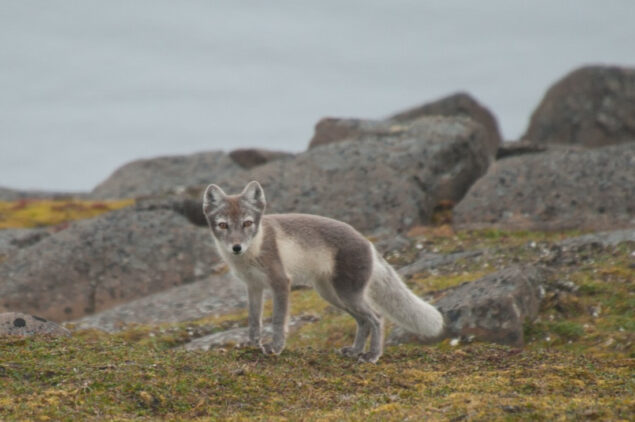
Throughout the voyage, the itinerary combines glacier-filled fjords, remote coastlines, seabird cliffs, and opportunities to encounter a wide range of Arctic wildlife, including walruses, seals, reindeer, Arctic foxes, whales, and polar bears. There is also the possibility of navigating into the sea ice and reaching very high latitudes, potentially close to 80° North, adding a strong exploratory dimension to the journey.
This is a well-rounded Spitsbergen expedition, ideal for travelers seeking scenic contrast, wildlife encounters, and an active rhythm that balances time ashore, Zodiac exploration, and navigation.
Trip Highlights
- Exploration of North Spitsbergen’s fjords, coastlines, glaciers, and seabird cliffs.
- Frequent Zodiac cruises and shore landings, weather and ice conditions permitting.
- Excellent opportunities to observe Arctic wildlife, including walruses, seals, reindeer, Arctic foxes, seabirds, whales, and possible polar bears.
- Navigation into sea ice and high latitudes, potentially reaching close to 80° North.
- A classic Spitsbergen itinerary offering strong scenic diversity and an active expedition experience.
Day 1: Longyearbyen, Svalbard
You arrive in Longyearbyen, the administrative center of Spitsbergen and the gateway to the high Arctic. This former mining town offers a fascinating introduction to the region, with highlights such as the Svalbard Museum and the world’s northernmost parish church. In the early evening, the ship sails out of Isfjorden, where you may spot your first minke whale of the voyage.
Day 2–7: North Spitsbergen’s natural beauty, wildlife, and pack ice
During these days, the expedition explores the remote coastlines and waters of North Spitsbergen, combining landings, Zodiac cruising, and possible navigation into the pack ice. The exact route depends on ice, weather, and wildlife conditions, but may include the following highlights:
Raudfjord
Located on the north coast of Spitsbergen, Raudfjord is an expansive fjord dominated by glaciers and rugged shorelines. Ringed and bearded seals are often seen here, and the surrounding cliffs support thriving seabird colonies and lush Arctic vegetation. When conditions allow, landings may be attempted at Alicehamna or Buchananhalvøya, with the possibility of encountering polar bears in the area.
Monaco Glacier (Liefdefjorden)
Depending on ice and weather conditions, the vessel may sail into Liefdefjorden. Here, a landing at Texas Bar may be possible, followed by cruising within sight of the impressive 5-kilometer-long (3.1 miles) face of Monaco Glacier. The waters in front of the glacier are a favorite feeding area for thousands of kittiwakes, and the glacier front is also known as a polar bear hunting ground.
Highlights of Hinlopen Strait
The expedition may aim to enter Hinlopen Strait, an area rich in wildlife and sea ice. Bearded and ringed seals are commonly seen, and polar bears are often present. At the entrance of the strait, there is even a chance to spot blue whales. Zodiac cruising among the ice floes of Lomfjord offers access to the spectacular bird cliffs of Alkefjellet, home to thousands of Brünnich’s guillemots. On the eastern side of the strait, a landing on Nordaustlandet may be attempted, where reindeer, pink-footed geese, and walruses can be found. If ice conditions prevent access, alternative routes will be explored.
The Seven Islands
The northernmost point of the voyage may be reached in the Seven Islands, north of Nordaustlandet, including Chermsideøya or Phippsøya. Here, the expedition may reach 80° North, just 870 km (540 miles) from the geographic North Pole. Polar bears inhabit this remote region, and the ship may spend time navigating among the pack ice before turning south again.
Sailing the continental shelf
While retracing the route westward, the vessel sails along the edge of the continental shelf, approximately 40 nautical miles west of Spitsbergen. This nutrient-rich area attracts marine life, and fin whales are commonly seen feeding in the upwelling zones. At the mouth of Kongsfjorden, there are good chances of spotting minke whales, along with continued opportunities to observe polar bears and elusive Greenland (bowhead) whales.
Forlandsundet, St. Johns Fjord, or Alkhornet
Walruses often haul out in Forlandsundet, particularly at Sarstangen or Poolepynten. Alternatively, the expedition may explore St. Johns Fjord or sail south to the mouth of Isfjorden, with a landing at Alkhornet. These cliffs host nesting seabirds, while Arctic foxes search below for fallen eggs and chicks, and reindeer graze the surrounding tundra.
Day 8: Longyearbyen, Svalbard
The expedition returns to Longyearbyen in the early morning. After disembarkation, bus transfers to the airport are provided, marking the end of this Arctic adventure.
Important information: All itineraries are for guidance only. The final route and daily activities depend on ice, weather, and wildlife conditions, as well as AECO regulations and site availability. Flexibility is essential on expedition cruises, as the expedition leader determines the final plan in real time to ensure safety and the best possible experience.
INCLUSIONS
- Voyage aboard the indicated vessel, as outlined in the itinerary
- All meals on board throughout the voyage, including snacks, coffee, and tea
- All shore excursions and activities by Zodiac, as conditions permit
- Lectures and presentations by experienced naturalists, and leadership by a professional expedition team
- Free use of rubber boots and snowshoes
- Transfers and baggage handling between the airport, hotels, and ship for passengers on selected flights to and from Longyearbyen
- All port charges, service taxes, and landing fees throughout the program
- AECO fees and applicable governmental taxes
- Comprehensive pre-departure information material
- Complimentary internet access (1.5 GB per day)
EXCLUSIONS
- Any airfare, whether on scheduled or charter flights
- Pre- and post-voyage land arrangements
- Passport and visa expenses
- Government arrival and departure taxes not included in the program
- Meals ashore
- Baggage, cancellation, and personal insurance (strongly recommended)
- Mandatory Emergency Evacuation Insurance with a minimum coverage of USD 50,000
- Excess baggage charges and personal expenses, including laundry, bar, beverage, and telecommunication charges
- Customary gratuities for shipboard staff and service personnel (guidelines will be provided)